article · Kitchen & bath
Granite Baking Counter: review pattern placement
A home baker rolls dough on a granite counter, stores a stand mixer nearby and moves hot trays from an oven to a separate landing. Consider this hypothetical pattern placement problem: The proposed seam and decorative feature cross the area reserved for rolling dough. Pattern planning asks which parts of the material will remain visible after the room is occupied. The conflict in this exercise concerns a real face or obstruction, so compare the annotated layout with the available material instead of rewarding the most dramatic uncut sample.
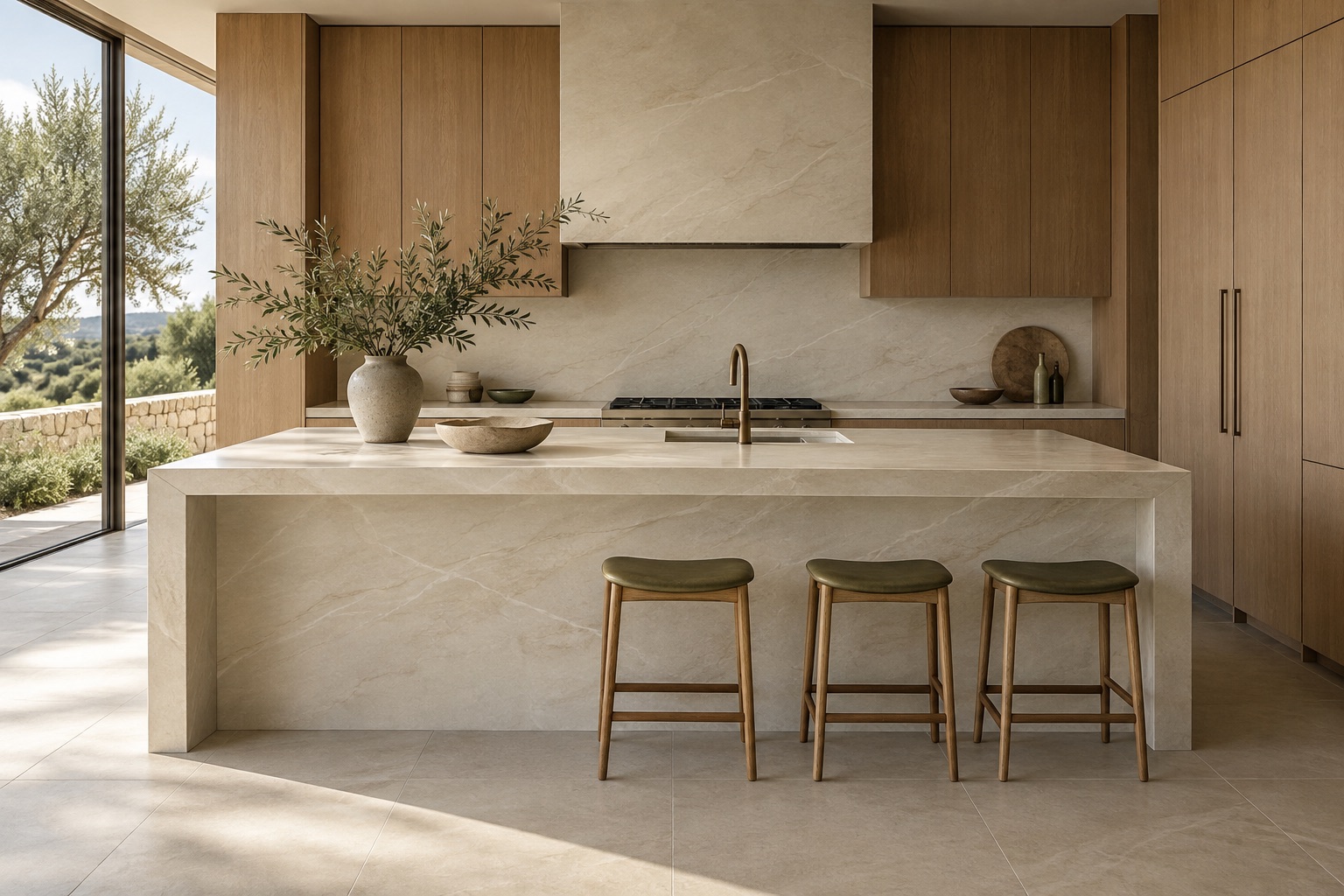
Develop the pattern placement case
A home baker rolls dough on a granite counter, stores a stand mixer nearby and moves hot trays from an oven to a separate landing. Consider this hypothetical pattern placement problem: The proposed seam and decorative feature cross the area reserved for rolling dough. Pattern planning asks which parts of the material will remain visible after the room is occupied. The conflict in this exercise concerns a real face or obstruction, so compare the annotated layout with the available material instead of rewarding the most dramatic uncut sample.
A worked pattern placement board for granite baking counter could begin with these explicitly provisional entries: Rolling zone: marked; desired feature: optional; proposed piece arrangement: fabricator review pending. The Natural Stone Institute makes identification of the stone a starting point for care. Use the named material and supplier instructions to frame this decision, keeping appearance preferences and editorial coordination suggestions separate from verified product performance. The record separates a desired feature from the area that daily use hides or removes. Show both on the same presentation and ask the responsible professional to explain the feasible arrangement.
Complete a pattern placement board
The focused task for this granite baking counter decision is: Mark a clear rolling zone separately from the mixer landing so prominent pattern does not become the sole layout priority. In this example, the completion or exception condition is specific: The reviewed layout preserves the agreed rolling area, with feasible seams explained separately from the owner's pattern preference. The rolling zone is a working priority the baker can identify, while seam feasibility is professional work; the layout should allow both contributions to remain visible. Use the stated task to request a revised visual proposal, with the affected area clearly marked. If the preferred feature cannot remain visible as imagined, ask whether another composition is acceptable before committing to material use.
Apply the decision to the actual responsibility boundary for granite baking counter: The fabricator must coordinate the mixer landing, sink information and cabinet geometry; stone category alone does not approve any unsupported projection. Close the visual review on an understandable composition linked to the material being supplied. The record should preserve the owner's priorities and the professional's feasible proposal as different contributions. The example remains an editorial exercise; its provisional entries are prompts to obtain real project answers, rather than claims about an installed job or a supplied product.
Sources
- Care and cleaning of natural stone Natural Stone Institute
- Installation standards for countertop fabricators Natural Stone Institute